Give each installer the same layout, appliance list and scope. You can then compare what is included, as well as the price.
Start with how the room needs to work
Describe the practical problem first. Perhaps you need more preparation space, a better place for the washing machine or cupboards that make everyday items easier to reach. A photograph of an attractive kitchen is useful inspiration, but your own room, routines and storage needs should shape the brief.
Include a rough layout and any dimensions you already have. Mark doors, windows and the current positions of the sink, cooker and appliances. Label your measurements as approximate; final ordering and installation need the appropriate checks on site.
Separate supply from installation
Make a list of the items you have ordered, the items you intend to buy and anything you want included in the quotation. A kitchen supplier’s plan does not automatically describe every part of an installer’s work.
- Cabinets, doors, handles, end panels and plinths.
- Worktops, upstands and any specialist measuring or fitting.
- Sink, tap, appliances and the relevant product details.
- Removal of the old kitchen and disposal arrangements.
- Wall preparation, tiling, flooring and decorating.
- Plumbing, electrical work and any other specialist involvement.
Explain the property and access
Send the postcode and say whether the property is a house or flat, which floor the kitchen is on and whether anyone will be living there during the work. Mention stairs, restricted parking, shared entrances and limits on delivery times. In Coventry and Birmingham, these practical details can be more useful for planning than a broad neighbourhood name.
Discuss where deliveries can be stored and how you will manage while the kitchen is unavailable. If you need to retain access to a particular appliance or part of the room, make that clear before dates are agreed.
Compare the written scope
Read each quotation alongside your brief. Check the included work, exclusions, material allowances, proposed sequence and arrangements for unexpected findings. Ask which decisions or deliveries must be complete before an installation date can be confirmed.
A short price with no detail can be difficult to compare with a quotation that includes preparation and finishing. Ask for unclear items to be explained in writing, and agree how changes will be priced before additional work starts.
Your first enquiry checklist
You do not need to have every decision made before speaking to us. Tell us what is settled and what still needs discussion. That gives the conversation a useful starting point and helps identify whether a visit is needed.
- Postcode, property type and preferred timing.
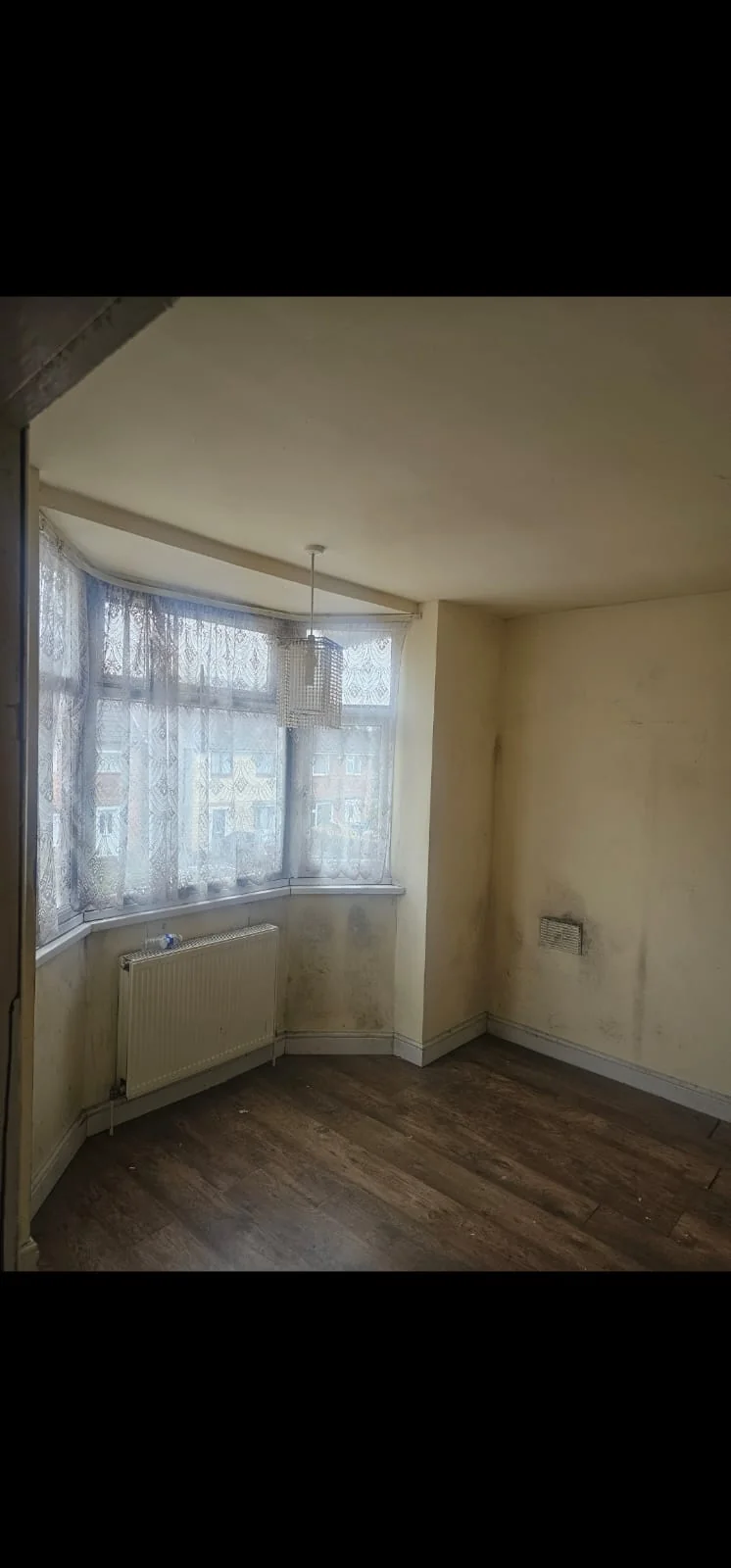
- A wide photograph of the room and a simple layout.
- Your proposed changes and the features you want to keep.
- Supplier plans and appliance details, if available.
- A clear list of supplied items and requested services.